The Industries Driving Stoke-on-Trent and the Logistics Behind Them
Stoke-on-Trent was built on moving goods... And it still is.
Long before pallet networks and online tracking, Stoke-on-Trent was already moving products across the country and around the world.
Ceramics from the Staffordshire Potteries ended up in homes and businesses across the globe. Steel left Shelton Bar by rail and road. Factories, workshops and warehouses kept the city working for generations. Stoke has always been a place that makes things and sends them somewhere else.
That part of the city hasn’t really changed.
Drive around Staffordshire today and you can see how much logistics has grown in the area over the last couple of decades. Warehouses have appeared across industrial estates, distribution hubs sit alongside major road links, and trucks moving through Stoke are now as much a part of the landscape as the industries that came before them.
Nearly 70 years after starting out on a quiet street in Tunstall, it’s something we’ve seen first-hand at Browns Distribution.
Because while industries evolve, the pressure behind them usually stays the same.
- Manufacturers still need reliability.
- Retailers still need stock where it’s supposed to be.
- Construction firms still work to tight deadlines.
- And customers still notice very quickly when deliveries go wrong.
Stoke and Logistics
Stoke-on-Trent will always be linked with the pottery industry, after all, we built our reputation on manufacturing and craftsmanship.
But logistics has more recently become one of the area’s biggest industries too.
Part of that comes down to geography. Stoke sits in a strong position for businesses distributing goods across the UK. Within a few hours, vehicles leaving Staffordshire can reach huge parts of the country.
That matters for:
- manufacturers
- retailers
- builders merchants
- packaging companies
- engineering firms
- food and drink suppliers
- pharmaceutical companies
It’s one of the reasons warehousing and distribution have grown so heavily across the region.
Places with industrial roots tend to understand logistics well because they’ve always relied on things moving properly. In this way, Stoke has always been built around supply chains in one form or another.
Ceramics
There’s probably no industry more closely tied to Stoke-on-Trent than ceramics. Wedgwood, Royal Doulton and Spode are just a few of the world-renowned manufacturers born in the city.
And from a logistics point of view, ceramics can be difficult freight to transport.
Products are often fragile, heavy and expensive to replace if damaged. One unstable pallet or poor load can quickly turn into a costly problem.
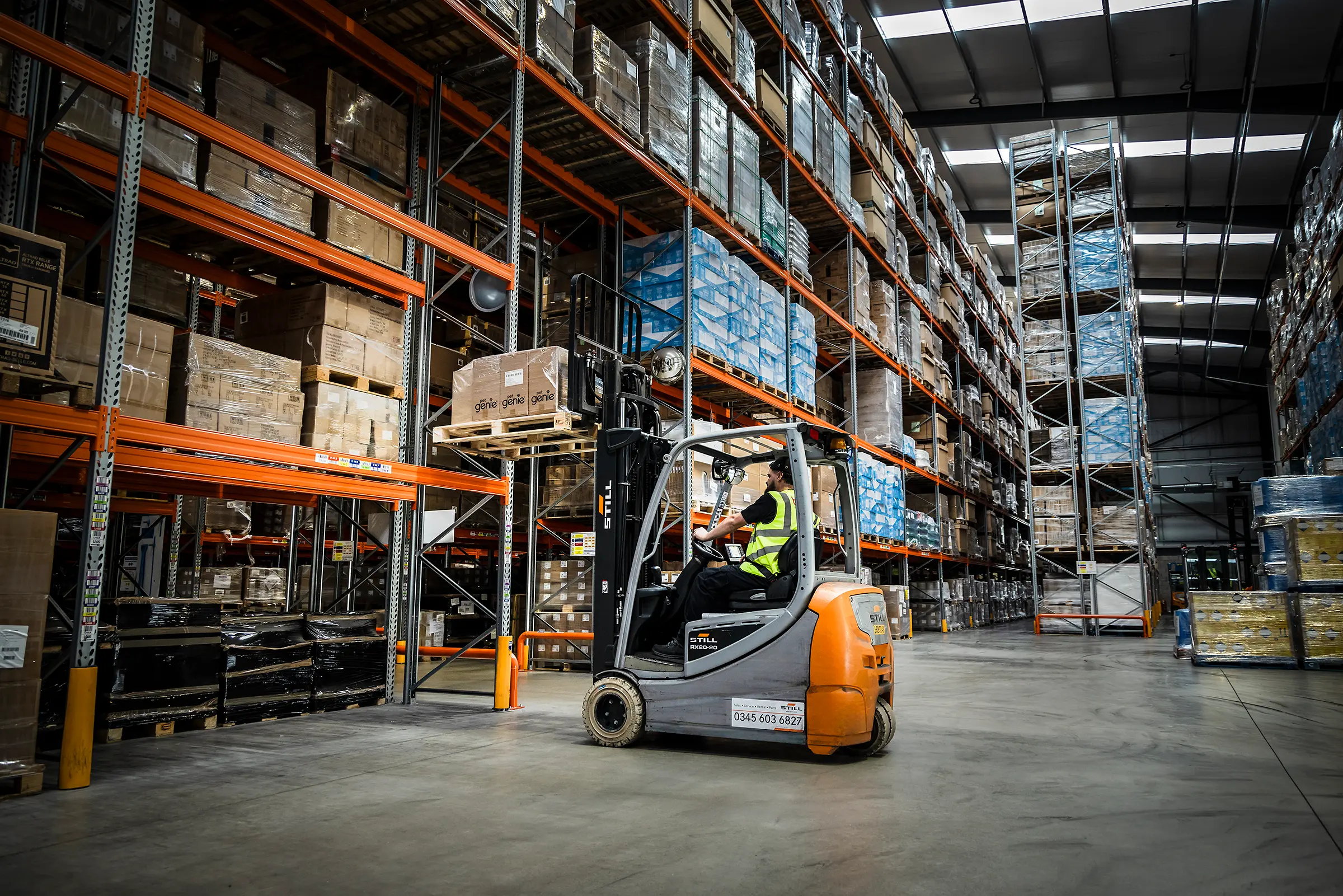
That’s why palletised freight became so important for manufacturers across Staffordshire.
By securing products properly and reducing unnecessary handling, pallet networks help lower the risk of damage during transport. It also makes storage, loading and nationwide distribution far easier to manage.
Construction
Construction has always been a major part of any economy, and it’s an industry where delays quickly become expensive.
Sites work to tight schedules. Materials are often needed in specific delivery windows. If something doesn’t arrive when expected, the knock-on effect can spread quickly across a project.
Across Stoke and the wider Midlands, builders merchants and suppliers move huge amounts of palletised freight every day:
- paving
- timber
- roofing materials
- bagged products
- tools and supplies
And unlike some industries, deliveries often need to arrive in very specific places, at very specific times.
That’s where pallet networks changed things massively.
Instead of paying for dedicated vehicles for smaller consignments, businesses can move freight nationwide through shared distribution networks.
For customers, that usually means lower transport costs and far more flexibility.
Manufacturing
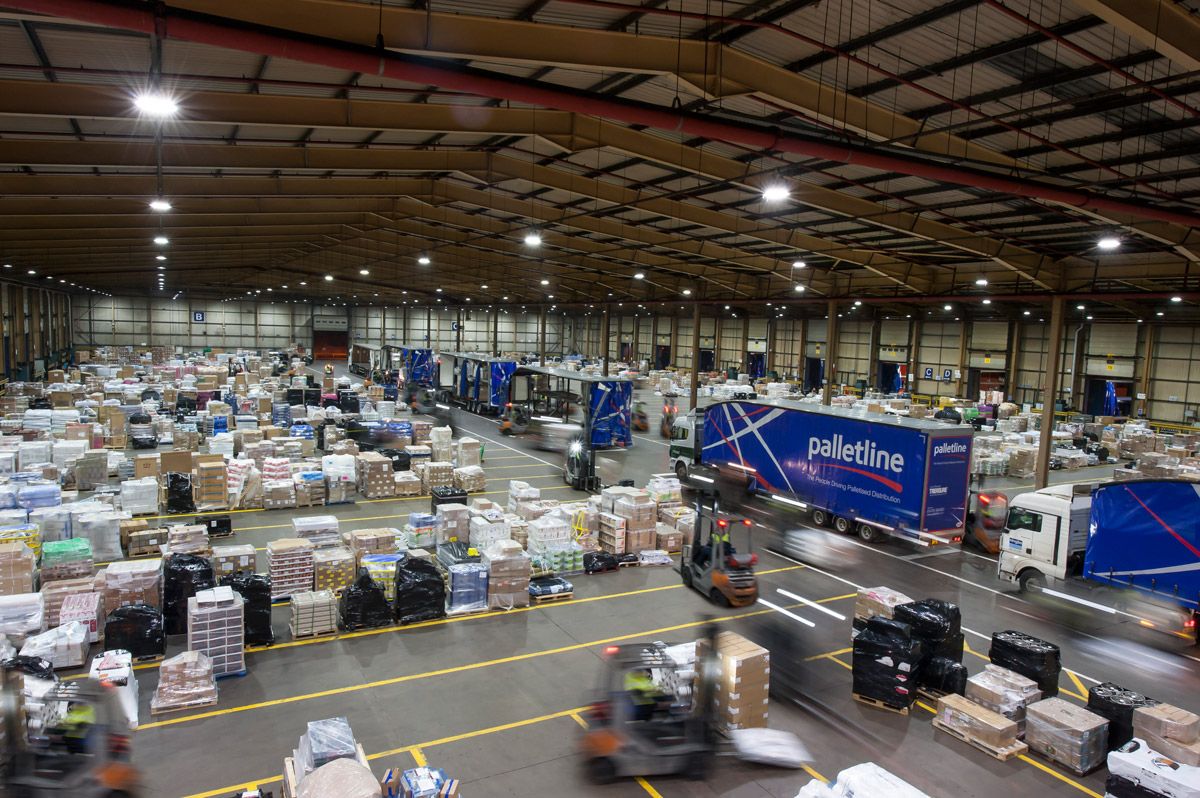
For manufacturers, logistics sits underneath almost everything. Delayed materials, damaged stock or missed deliveries can quickly create problems further down the production line.
A delayed pallet can hold up production. Damaged stock creates extra cost. Poor communication wastes time that businesses usually don’t have.
Over the years, we’ve worked with manufacturers moving everything from delicate products to awkward, bulky freight that needs careful planning before it even reaches a trailer. And most of the time, the businesses we work with value the same things:
- reliability
- clear communication
- knowing somebody will sort problems quickly if they happen
That’s where good systems make a real difference too. Live tracking, delivery updates and better visibility across the supply chain help customers stay informed without needing to constantly chase where freight is or when it’s arriving.
Retail
Retail has probably changed logistics more than any other industry over the last 15 years.
Faster delivery expectations, tighter stock control and the growth of online shopping have all increased pressure on retailers to move goods quickly and efficiently between suppliers, warehouses, stores and customers.
That’s one of the reasons warehousing and pallet distribution has grown so heavily around Stoke-on-Trent. The city’s location makes it a strong base for businesses distributing goods nationwide, particularly as retail supply chains have become faster and more demanding.
At Browns, we’ve worked with retailers and distributors moving stock across the UK for years. And while retail moves quicker than it used to, the basics still matter most: reliable deliveries, good communication and freight arriving where it’s supposed to without delays or damage.
Moving Staffordshire Forward
At Browns Distribution, we’ve spent decades working alongside businesses across Staffordshire, the Midlands and the UK.
Some industries have changed completely over that time. Others have adapted and grown alongside changing customer expectations.
That’s become a major part of Stoke-on-Trent’s modern identity.
From manufacturers and builders merchants to retailers and distributors, industries across Staffordshire rely on warehousing, pallet networks and nationwide transport every single day. And after more than 70 years, we’re still proud to play a part in keeping those businesses moving.
More from Browns
View all articles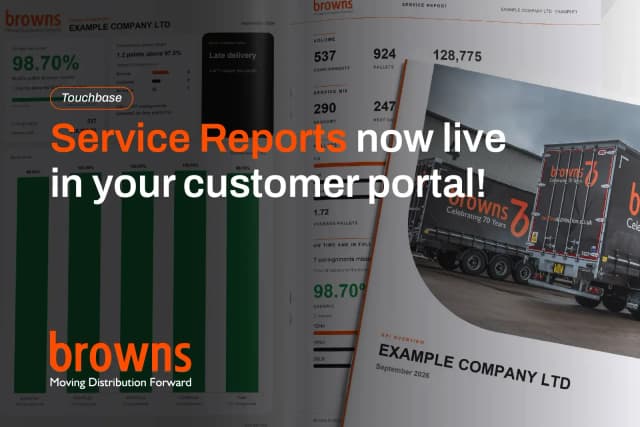
Introducing monthly service reports in Touchbase
Our new monthly service reports are now available in the Browns customer portal, giving you a clearer view of your delivery performance, transport activity and spend. Developed as part of Touchbase, our in-house transport management system, the reports bring together the information you need to
7 things you can now do in the Browns customer portal...
Managing freight should not mean jumping between systems, chasing updates or searching through your inbox for documents every time you need something. That is exactly why we have introduced the new Touchbase Customer Portal, giving Browns customers more control over their logistics from one connect
Browns Distribution strengthens warehousing operations with Clarus WMS partnership
We're delighted to announce our partnership with Clarus WMS , marking another major milestone in the continued evolution of Browns Distribution and our investment in technology. The introduction of Clarus at our flagship Distribution House facility in Stoke-on-Trent represents a significant achie